
Selected work / 02 Product design & development
TownBoardGame
Driving practice beyond the classroom
Turning Kenya’s Model Town Board into an interactive driving-practice platform — from a playable experiment to a product for learners and driving schools.
Motivation
What if practice didn’t end with the lesson?
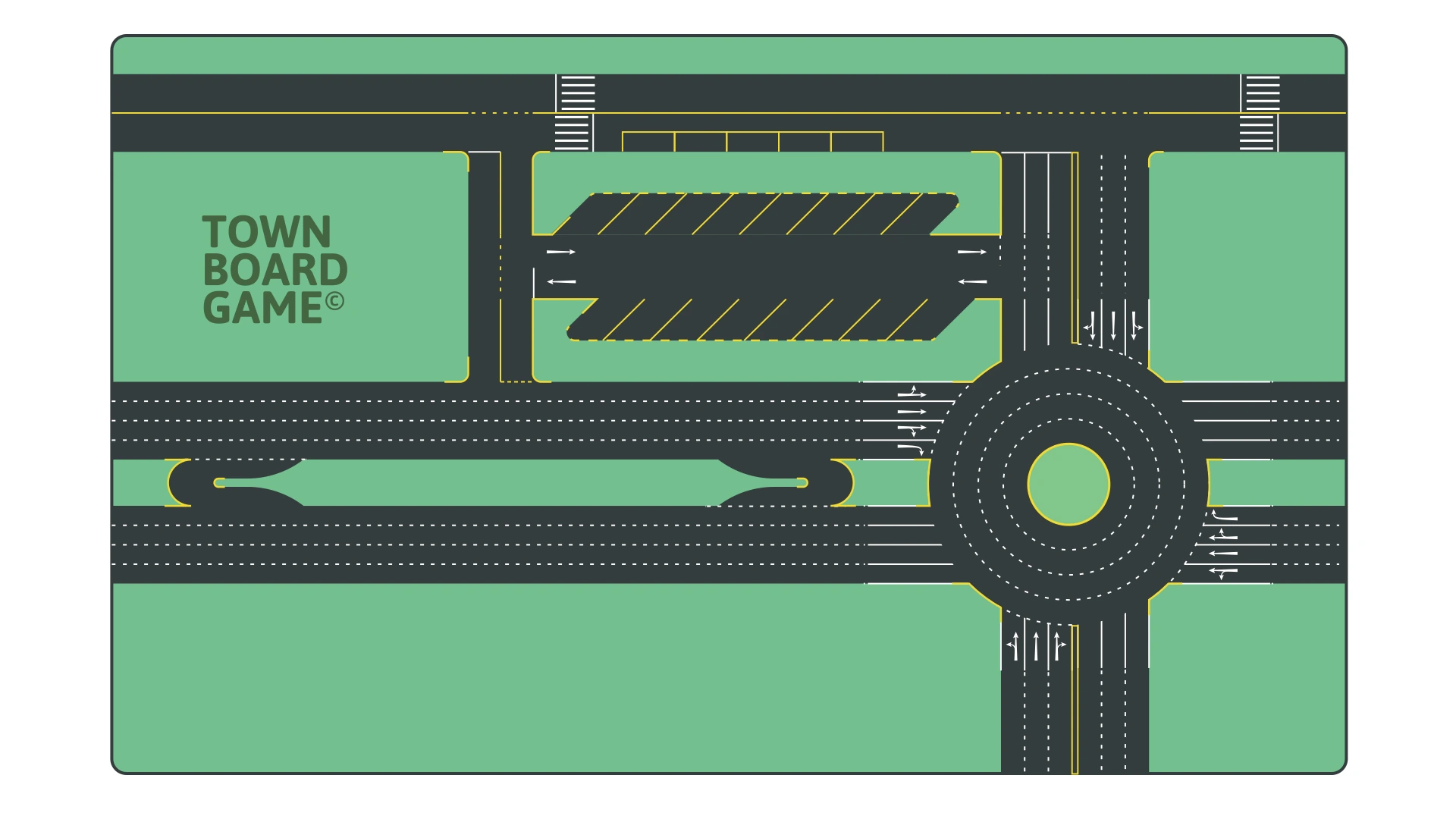
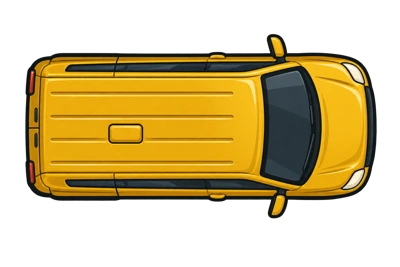
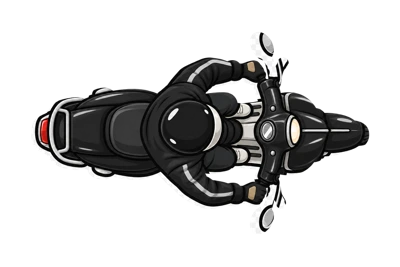
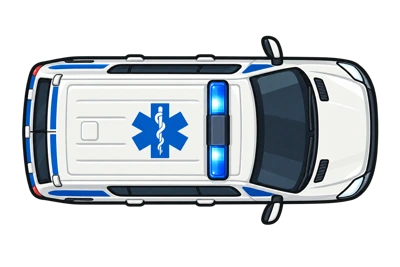
The Model Town Board is a familiar part of learning to drive in Kenya: a miniature road network, toy cars and an instructor guiding learners through the next move. I saw an opportunity to take that familiar teaching tool beyond the classroom, giving learners a way to revisit those decisions in their own time.
TownBoardGame began with a simple question: could the board become something you could actually play? The ambition was to extend the practice around a lesson, while keeping the connection to what an instructor teaches.
The idea
Turning the board into interactive driving practice
The board already makes a complex subject tangible. Junctions, lane markings and a roundabout turn road rules into situations you can point to and discuss. Making it interactive adds another layer: the learner has to make the next move.
I built the experience around driving challenges, then expanded it with road-sign and theory quizzes. Together, they offer different ways into the same subject: recognising a sign, understanding a rule and working through a situation. Keeping it in the browser makes that practice available through a link, on a phone or computer.
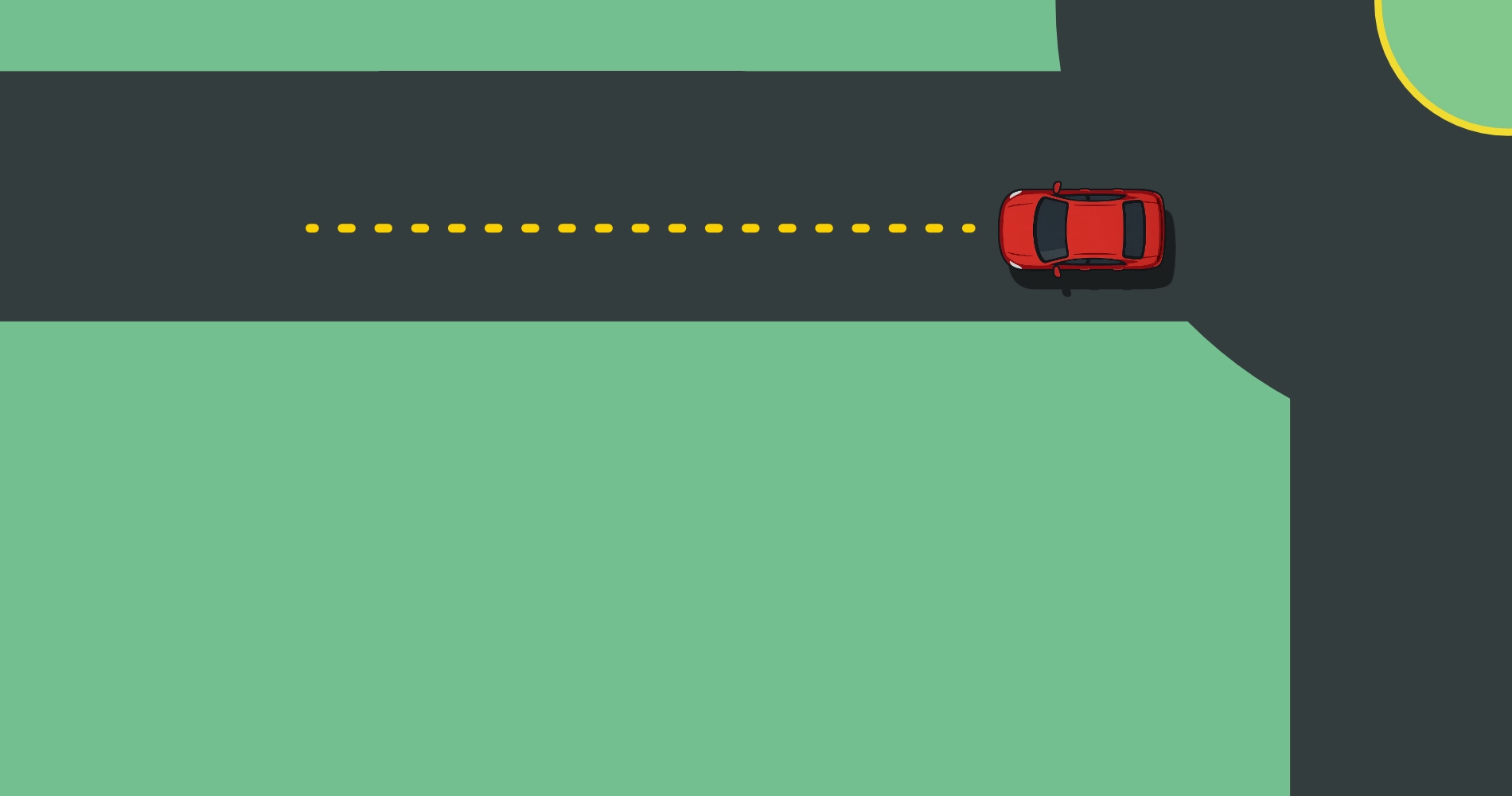
A familiar world.
Room to practice.
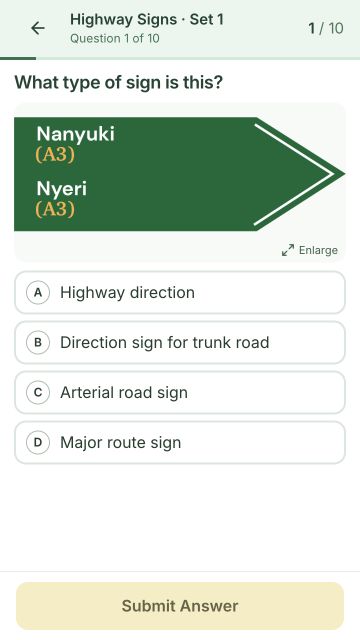
Road-sign practice / Mobile

What shaped the product
A mistake should give you something to learn from.
As the project grew, the question became less about making the board work and more about making practice useful. A result tells a learner how they did; an explanation helps them understand what to do differently.
That shaped the pacing of the quizzes. After an incorrect answer, the explanation stays visible until the learner is ready to move on. Levels, quizzes and a progress dashboard give the broader experience structure, with opportunities to revisit the material rather than treating it as a single test.
The challenge
Make room for learning on an everyday phone.
A classroom board gives everyone room to see. A phone has to fit the road layout, the controls and the information a learner needs into a much smaller space. The challenge was to preserve the substance of the practice without making the interface another thing to learn.
That meant clearer guidance for touch controls and quiz layouts that accommodate the content: signs can be enlarged, long answers remain readable and the next action is easy to find. The same principle carries through to paid access. Fixed-period passes make the commitment clear, so learners know what they are paying for and for how long.
Bringing it together
From a playable idea to a tool for learners and schools.
I took TownBoardGame from concept through learning structure, product design and AI-assisted development, with ARK Africa refining the UI and UX. It has grown into a live product that brings interactive driving practice, theory, progress tracking and paid access into one place.
The next opportunity is to connect that independent practice more closely with driving schools. Branded demos bring the student and school administration experiences together, giving prospective partners something concrete to explore. The work now is to learn how the product fits around real lessons, and where it can be most useful to both learners and instructors.
- My contribution
- Concept, learning structure, product design and AI-assisted development.
- Collaboration
- ARK Africa — UI and UX refinement.
- Current state
- Live learner product, with school demos supporting partnership development.